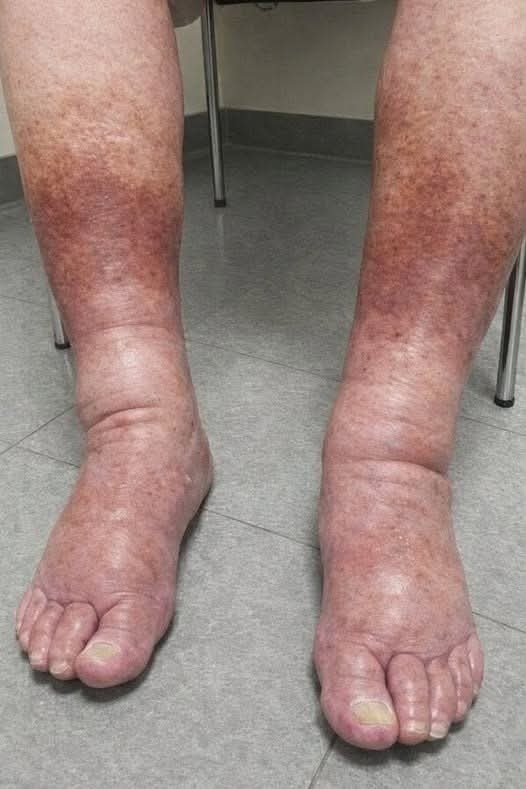
Signs in the feet and ankles are often ignored by many people, who attribute them to tiredness or the heat. However, it’s crucial to pay attention to these symptoms, as they can be indicators of more serious health problems. In this article, we’ll explore the signs in the feet and ankles that you shouldn’t ignore , so you can better take care of your well-being.
What can swelling in the feet indicate?
Swelling in the feet and ankles, known as edema, is the accumulation of fluid in the tissues. It can manifest in various ways, from slight swelling to a noticeable increase in foot size. There are several causes that can lead to this condition:
- Prolonged position: Standing or sitting for long periods can cause swelling.
- Excessive salt intake: A diet high in sodium can contribute to fluid retention.
- Warm weather: High temperatures can cause blood vessels to dilate and increase swelling.
- Circulation problems: Poor venous circulation can cause blood to accumulate in the extremities.
It’s crucial to monitor how the swelling progresses and whether it’s accompanied by other symptoms. If it persists or worsens, it could be related to more serious conditions, such as:
- Chronic venous insufficiency.
- Lymphedema.
- Heart, kidney, or liver disease.

Color changes that deserve attention
Changes in skin color on the feet and ankles are another warning sign you shouldn’t ignore . A brownish or reddish tone, or darker areas, can be symptoms of poor venous circulation. When blood pools in the lower legs, the pressure can affect the skin, causing visible changes.
In addition to the color change, you might notice:
- Thickened and rough skin.
- Itching in the affected area.
- Heaviness or discomfort when standing.
If you notice these changes, it’s important not to underestimate the situation and to consider a medical consultation. The skin can be a direct reflection of our internal health, and any change in its appearance deserves to be investigated.
What many people overlook
Besides swelling, there are other often overlooked signs that could indicate circulatory or other health problems. Some of these include:
- Feet that feel tense at the end of the day.
- Deep marks left by socks or sandals.
- Nighttime cramps or burning in the legs.
- Difficulty wearing the same shoes as always.
When these signs start to repeat themselves, it’s an indication that it’s time to pay attention to them. They shouldn’t be dismissed as mere annoyances, as they can be the body’s way of warning about underlying problems. For example, tension in the feet can be related to high blood pressure or circulatory issues that need to be evaluated.
When should you seek medical attention quickly?
There are certain situations where it is crucial to seek medical attention immediately. If the swelling:
- It appears suddenly.
- It only affects one leg.
- It is accompanied by intense pain.
- It presents with marked heat or redness.
- It comes with shortness of breath or chest pain.
In these cases, it’s crucial to act quickly, as serious problems such as deep vein thrombosis or heart disease could be present. Ignoring these symptoms can have serious health consequences, so it’s best to err on the side of caution.
What can help while you observe the problem?
If the swelling is not urgent and seems to be related to position or poor circulation, there are several steps you can take to relieve the discomfort:
- Elevate your legs: Placing your legs in an elevated position for a few minutes can help reduce swelling.
- Mobility: Walking or moving around more during the day can improve circulation.
- Avoid staying in the same position for too long: Taking breaks and changing position frequently is beneficial.
- Reduce salt intake: A balanced diet with lower sodium content can help manage fluid retention.
- Wear compression stockings: If they have already been recommended to you, following medical advice is crucial.
Remember that if the swelling persists, it’s essential not only to apply temporary solutions but also to investigate the underlying cause. Consulting a specialist can provide answers and appropriate treatment.
The most common mistake
A common mistake is resigning oneself to bloating. Many people say, “I always get bloated” or “I’ve had this for years,” which can lead to ignoring important signs. The recurrence of a symptom doesn’t mean it’s normal. When the body sends a message, it’s often not exaggerating, but rather insisting that you pay attention.
It’s crucial to understand that your health should never be ignored. Ignoring these symptoms can lead to more serious complications later on. If you notice any unusual symptoms in your feet and ankles, don’t hesitate to take action.
Conclusion
The warning signs in your feet and ankles that you shouldn’t ignore include swelling, changes in color, and other symptoms that can range from a simple annoyance to an indicator of more serious problems. It’s not about panicking, but rather about no longer ignoring what your body is telling you. Sometimes, your feet reveal much more about your health than you realize. If you notice any unusual changes, don’t hesitate to consult a professional for a proper diagnosis and to take care of your overall well-being.
Your health is the most important thing, and paying attention to the signals your body sends you is the first step toward a healthier lifestyle. Prevention is always better than cure, so don’t underestimate the symptoms you experience in your feet and ankles.