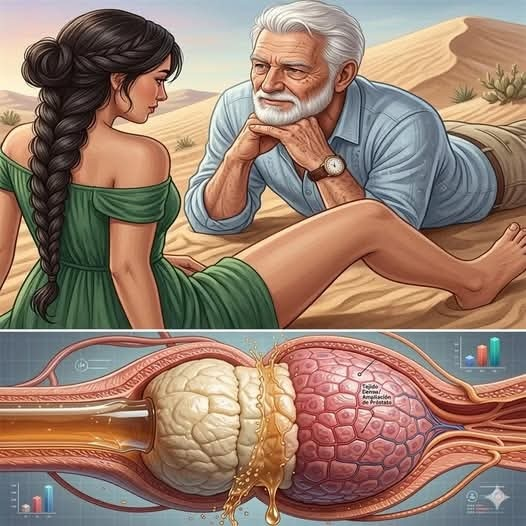
For a long time, it was believed that only women experienced significant fertility-related changes with age. However, various scientific studies have shown that the male body also undergoes significant transformations over the years. Below, we’ll explore what many don’t know about male fertility after a certain age, addressing hormonal changes, the influence of age, and some myths surrounding this topic.
What really happens to the male body?
With aging, the male body begins to experience natural hormonal changes. One of the most noticeable changes is the gradual decline in testosterone, which can affect various aspects of health. Testosterone is essential not only for sperm production but also for maintaining libido, energy, and muscle mass. As men age, it’s normal for them to experience a drop in levels of this hormone, which can impact their overall well-being.
Furthermore, variations in physical energy and alterations in some reproductive processes have been identified. Sperm production can continue for decades, but some factors, such as sperm motility and quality, can be affected with age. This can make conception more difficult, even if reproductive capacity remains. Therefore, it is crucial to understand that male fertility is not immutable and that changes are a natural part of aging.
Age does matter.
A crucial aspect of male fertility that many people are unaware of after a certain age is that, while there is no exact age at which men completely lose their fertility, medical research indicates that significant changes can occur after age 40 or 50. For example, studies have shown that semen quality, including sperm concentration and motility, tends to decline with age.
In addition, chronic illnesses, stress, poor diet, alcohol consumption, smoking, and lack of physical activity can also play a role. These factors can exacerbate the natural changes that occur in the male body, thus affecting fertility. For this reason, specialists recommend maintaining healthy habits and attending regular medical checkups to monitor reproductive and overall health.
Myths and misinformation on social media
In the digital age, it’s common to find misinformation about men’s health on social media. Viral posts that exaggerate or distort information related to male fertility can cause confusion and anxiety among men. Many images and messages use sensational phrases to grab attention, which not only spreads misinformation but can also lead to misconceptions about fertility and aging.
Men’s health experts recommend consulting reliable medical sources before believing alarmist claims or supposed “secret discoveries.” Misinformation can lead to a distorted perception of reproductive health and could push some men to avoid seeking medical attention when they truly need it. It is essential that men be critical of the information they consume and seek the truth from authoritative sources.
Importance of comprehensive health
Male reproductive health is directly linked to overall well-being. This means that a holistic approach to health can benefit both fertility and quality of life. Doctors emphasize that a healthy diet, regular exercise, adequate sleep, and stress reduction can significantly contribute to maintaining a better quality of life, even in later life.
Regular medical checkups allow for the early detection of hormonal, cardiovascular, or metabolic problems that can affect fertility. For example, conditions like diabetes or hypertension can negatively impact sperm production and overall sexual health. Therefore, taking care of one’s overall health is a crucial step for men who wish to maintain their fertility as they age.
Tips recommended by experts
Experts have developed a series of recommendations to help men manage changes in fertility as they age. Here are some of the most important tips:
- Maintain a healthy weight: Being overweight or obese can negatively affect testosterone production and sperm quality.
- Avoid smoking and excessive alcohol: These habits can harm men’s reproductive and general health.
- Engage in regular physical activity: Exercise not only improves cardiovascular health, but can also increase testosterone levels.
- Controlling diseases such as diabetes or hypertension: Effective management of these conditions is vital for reproductive health.
- Sleep properly: A good rest is essential for hormone production and overall well-being.
- Consult your doctor about any significant changes: Not ignoring signs of health problems can make a difference to your reproductive health.
The role of mental health
Mental health also plays a crucial role in male fertility. Stress, anxiety, and depression can negatively impact sperm production and libido. Therefore, it’s vital that men dedicate themselves to caring for their mental health as much as their physical health. Practicing relaxation techniques, meditation, or even undergoing psychological therapy can be beneficial for maintaining emotional balance, which contributes to better reproductive health.
The influence of lifestyle
A man’s lifestyle has a direct impact on his fertility. Diet, exercise, and sleep habits are factors that can influence hormone levels and sperm quality. A diet rich in antioxidants, omega-3 fatty acids, and vitamins can promote better reproductive health. Likewise, avoiding excessive consumption of processed foods and sugars can be key to maintaining a healthy hormonal balance.
Genetics and its influence
Genetic factors can also play a role in male fertility. Some men may have genetic predispositions that affect sperm production or quality. It’s important for men to be aware of their family history and consider genetic testing if they have concerns about their fertility. This can help identify potential problems and find appropriate solutions.
The importance of communication in a relationship
Open and honest communication with your partner is essential when it comes to fertility. Men should feel comfortable discussing any concerns they have about their reproductive health. A lack of communication can lead to misunderstandings and increase emotional strain in the relationship. A candid conversation allows both partners to support each other on their journey to parenthood.
Conclusion
The male body also undergoes natural changes with age, including aspects related to fertility and hormonal health. What many don’t know about male fertility after a certain age is that, although reproductive capacity may remain, sperm quality and other factors can be affected. Beyond the viral messages circulating on social media, specialists emphasize the importance of maintaining overall health and staying informed through reliable sources.
With healthy habits and regular medical checkups, men can improve their quality of life and, consequently, their fertility. So, while it’s true that aging brings changes, it’s also possible to face them proactively and positively, ensuring a healthier future for both themselves and their partners.