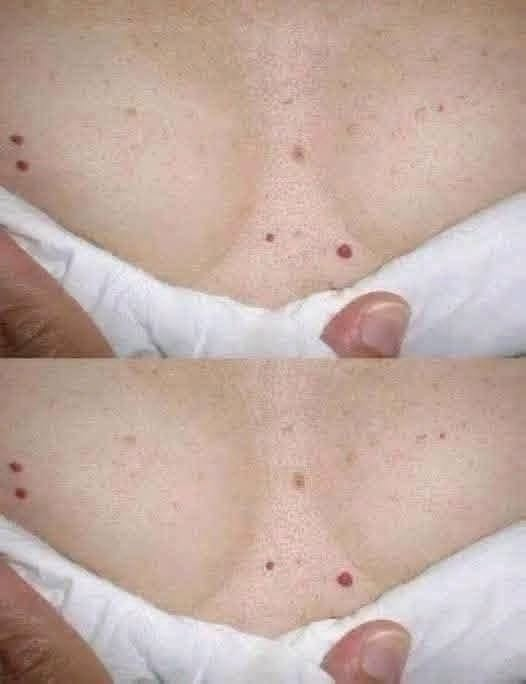
Today, in this article, I’m going to share some very important information about your skin. Acquired capillary angiomas, or those red spots on the skin, are quite common. After a certain age, it’s fairly normal for red spots, similar to small blood blisters, to appear on the skin. We usually start noticing them around age 40, although there are also many cases in young people between 20 and 30, so age isn’t a determining factor, at least not entirely. They’re called cherry angiomas, but their medical name is “acquired capillary angiomas.”
What are acquired capillary angiomas?
Acquired capillary angiomas are small skin lesions that typically appear as red spots or blood blisters. These angiomas result from the dilation of tiny capillaries that supply blood to the dermal tissue. According to dermatologist Maria Rosa Martí, “These are small capillaries that supply blood to the dermal tissue and, for whatever reason, dilate and can no longer return to their original state. They stretch out, gradually creating a small pool of blood that eventually takes on a rounded shape.”
Factors that influence the appearance of red spots
The causes of acquired capillary angiomas are not fully understood. A familial component is believed to contribute to their development, but sun exposure has also been observed to accelerate their growth. While age is not the only factor, it is the most significant; sooner or later, everyone will tend to develop these “blood blisters.”
The relationship between age and red dots
Most doctors and dermatologists agree that age is a crucial factor when it comes to acquired capillary angiomas. As we age, our skin changes and becomes more susceptible to these lesions. However, there are cases of young people in their 20s and 30s who also develop these red spots. This suggests that, while age is important, it is not the only determining factor in the appearance of angiomas. Genetic and environmental factors also play a significant role.
Are acquired capillary angiomas dangerous?
One of the most common questions that arises when these red spots are discovered on the skin is whether or not they are dangerous. The good news is that, generally, acquired capillary angiomas are benign and do not pose a health risk. However, it is important to pay attention to any changes in their appearance, size, or color. If you notice any unusual changes, it is advisable to consult a dermatologist to rule out any serious problems.
Diagnosis of acquired capillary angiomas
Diagnosing acquired capillary angiomas is relatively straightforward. A dermatologist can usually identify them simply by examining the skin. In some cases, a biopsy may be necessary to rule out other, more serious conditions. A medical evaluation is important to reassure patients and ensure there are no underlying problems.
Available treatments
Although acquired capillary angiomas are benign and require no treatment, some people choose to have them removed for cosmetic reasons. Several methods are available to treat these red spots, including:
- Electrocoagulation: This method uses an electric current to eliminate the angioma.
- Laser therapy: The laser is used to destroy the angioma tissue without damaging the surrounding skin.
- Minor surgery: In some cases, the angioma can be removed with a small surgical procedure.
It is important that any treatment be performed by a qualified dermatologist, who will be able to assess the need for the intervention and choose the best method according to the particular case.
Skin care to prevent the appearance of red spots
While acquired capillary angiomas cannot be completely prevented, there are several practices that can help care for the skin and possibly delay their appearance. Some tips include:
- Use sunscreen: Sun protection is essential to protect the skin from damage caused by UV radiation.
- Hydrate your skin: Keeping your skin well hydrated can help maintain its elasticity and overall health.
- Avoid excessive sun exposure: Limiting time spent in the sun, especially during peak hours, can be beneficial.
- Adopt a balanced diet: A diet rich in antioxidants can contribute to healthy skin.
Therefore, although the appearance of red spots on the skin can be annoying or worrying, it is essential to understand that, in most cases, they are harmless and part of the natural skin aging process.
Conclusions about red spots on the skin
In summary, acquired capillary angiomas, also known as cherry angiomas or ruby spots, are a common condition that typically develops with age. While not dangerous, it’s important to be aware of any changes in their appearance. Consulting a dermatologist can help address any concerns and provide treatment options if removal is desired for cosmetic reasons.
Remember that taking care of your skin is essential for maintaining its health. Adopting good daily skincare habits, such as using sunscreen and staying well-hydrated, can help keep your skin in optimal condition and possibly delay the appearance of these red spots. Information and prevention are key to your skin’s health.
So, don’t hesitate to consult a specialist if you notice any changes in your skin! With the right knowledge, you can make informed decisions about your health and well-being.
For those seeking additional information, it’s helpful to explore more about acquired capillary angiomas and how they relate to other skin conditions. Continuing education about skin health can lead to better decisions and care. It’s also advisable to learn about genetics and how it can affect the development of these lesions. Many studies suggest that by understanding our family history, we can better anticipate how our skin might respond to different factors over time. This includes not only the appearance of angiomas but also other skin conditions.
Furthermore, it’s important to emphasize that skincare is a long-term commitment, not just an occasional action. Investing in quality products and appropriate treatments can make a noticeable difference in your skin’s health. Don’t limit yourself to considering only the aesthetic aspect, but also the overall health of your skin. Maintaining a skincare routine that includes cleansing, moisturizing, and sun protection can help minimize the appearance of angiomas and other blemishes.
Finally, sharing your experiences and concerns about acquired capillary angiomas with friends and family can foster better understanding and support. Many people face this same situation, and sharing tips and advice can enrich your knowledge and give you new perspectives on how to manage this condition. On your journey to optimal skincare, remember that every little step counts and that being proactive is key to keeping your skin at its best.
In conclusion, acquired capillary angiomas are a natural part of aging, but being informed and prepared can make it easier to accept and manage these changes. Stay on top of your skin health and don’t hesitate to seek professional guidance when needed. Your skin’s health reflects your overall well-being, and taking proper care of it can offer not only aesthetic benefits but also boost confidence and self-esteem. Take care of your skin today for a better tomorrow.